
Our Last Day
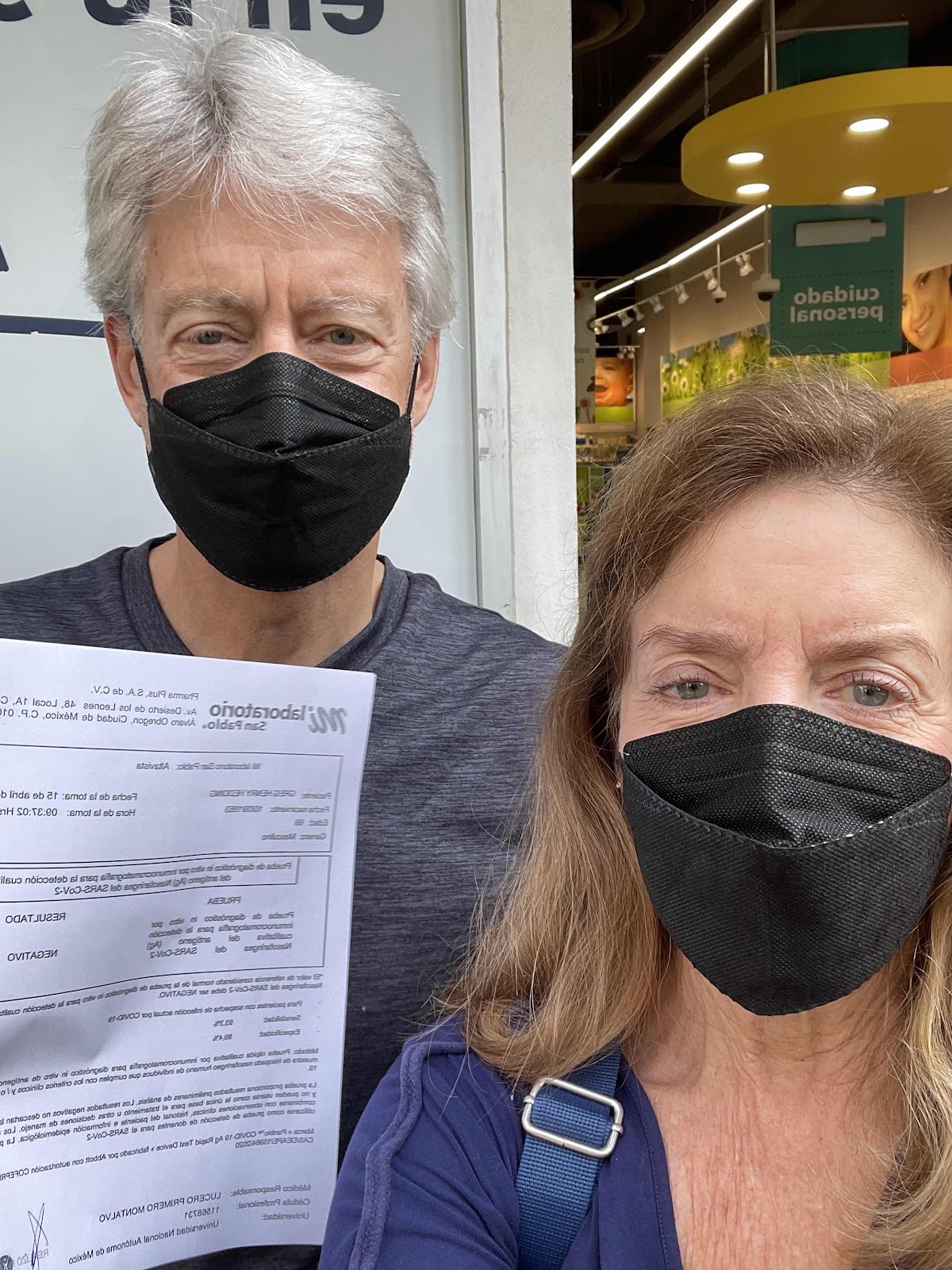
Our first stop today was to go to the pharmacy to get our Covid test that is required for re-entry into the U.S. We were negative!
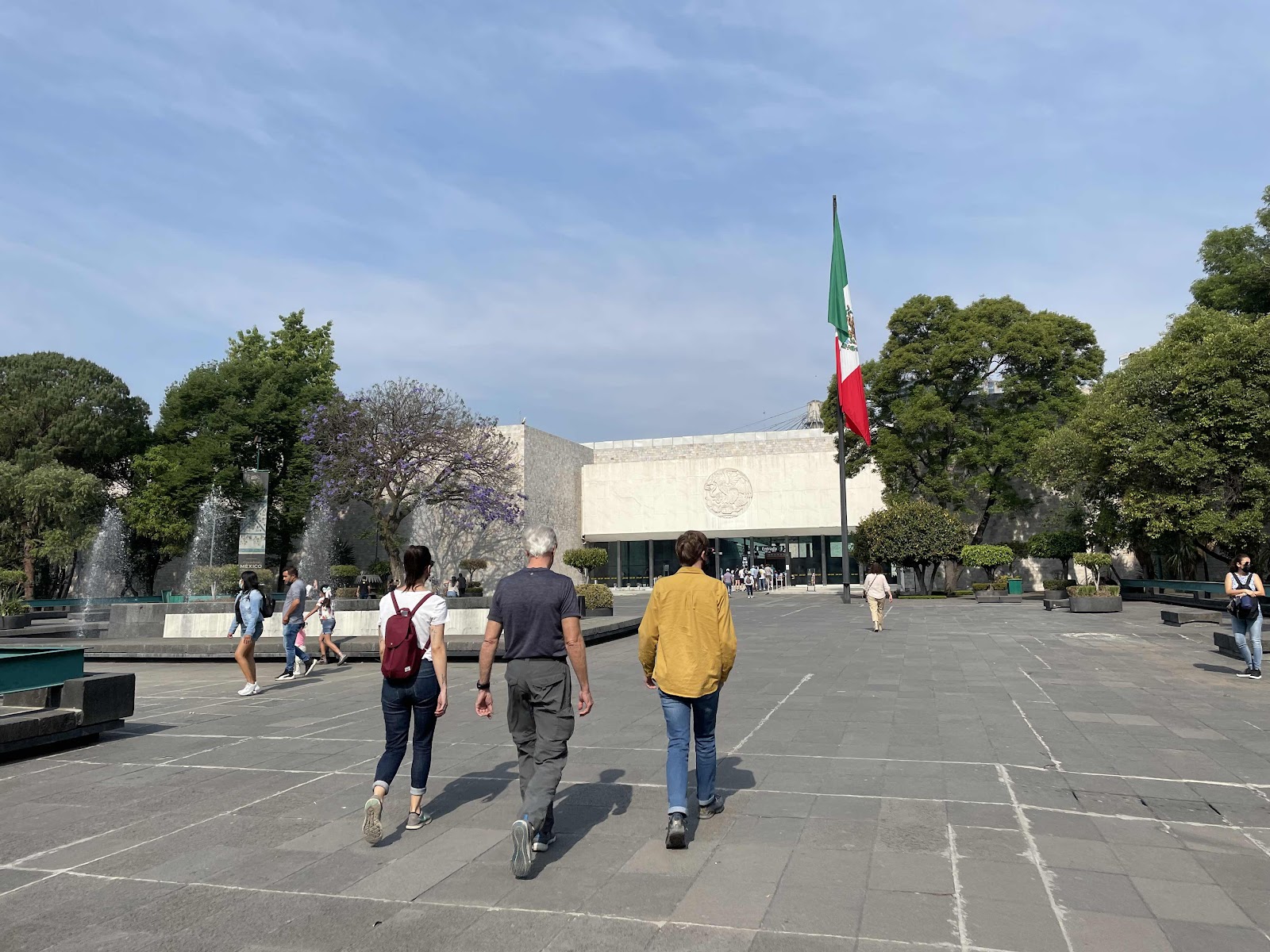
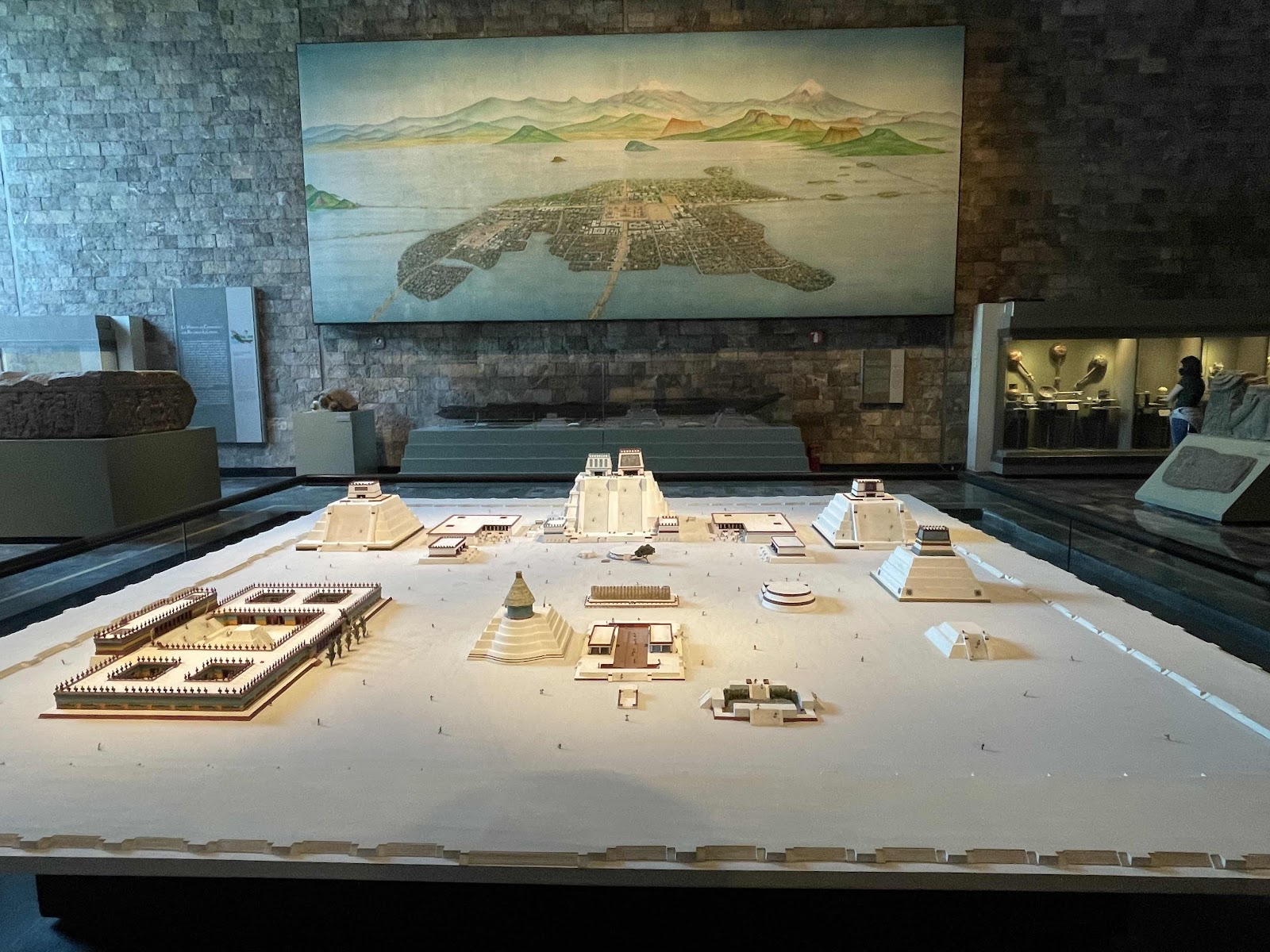
Then we headed to National Museum of Anthropology - it is the largest and most visited museum in Mexico. The museum contains significant artifacts from Mexico’s pre-Colombian (pre-Columbus) era. The museum is huge and we knew that we would only do a small section of the museum today. So we began with the section of the museum called “The World of Mexica.” The first thing that I learned is that Mexica also refers to Aztecs or Tenochca people. The Mexica founded its capital city, Mexico-Tenochtitlan in the year 1325 (where Mexico City is today).

The origin of Mexico City is wrapped in the mystery of mythological tales. The Mexica (or Aztecs), originally from Aztlan (thought to be somewhere in northern Mexico), left on a difficult migration that lasted over 200 years. Though there are different versions of the tale, all agree the Mexica were on their way to the “promised land.” Legend has it that they would know they were there when they found an eagle on top of a cactus in the middle of a lake. The image did appear to the wandering Mexica, but in an unlikely place - on a tiny island in the middle of Lake Texcoco. To build their city, the Mexica/Aztecs formed a number of small garden islands interconnected by causeways.

Here is an artist’s drawing of the search for the sacred site with the eagle on top of a cactus in the middle of a lake.

The coat of arms on the Mexican flag depicts an eagle perched on a prickly pear cactus devouring a rattlesnake. Based on a mistranslation of Aztec texts, the snake was later added to the story by the Spanish. Although the Aztecs revered snakes as symbols of wisdom and creation, to the Europeans, it would represent the struggle between good and evil.

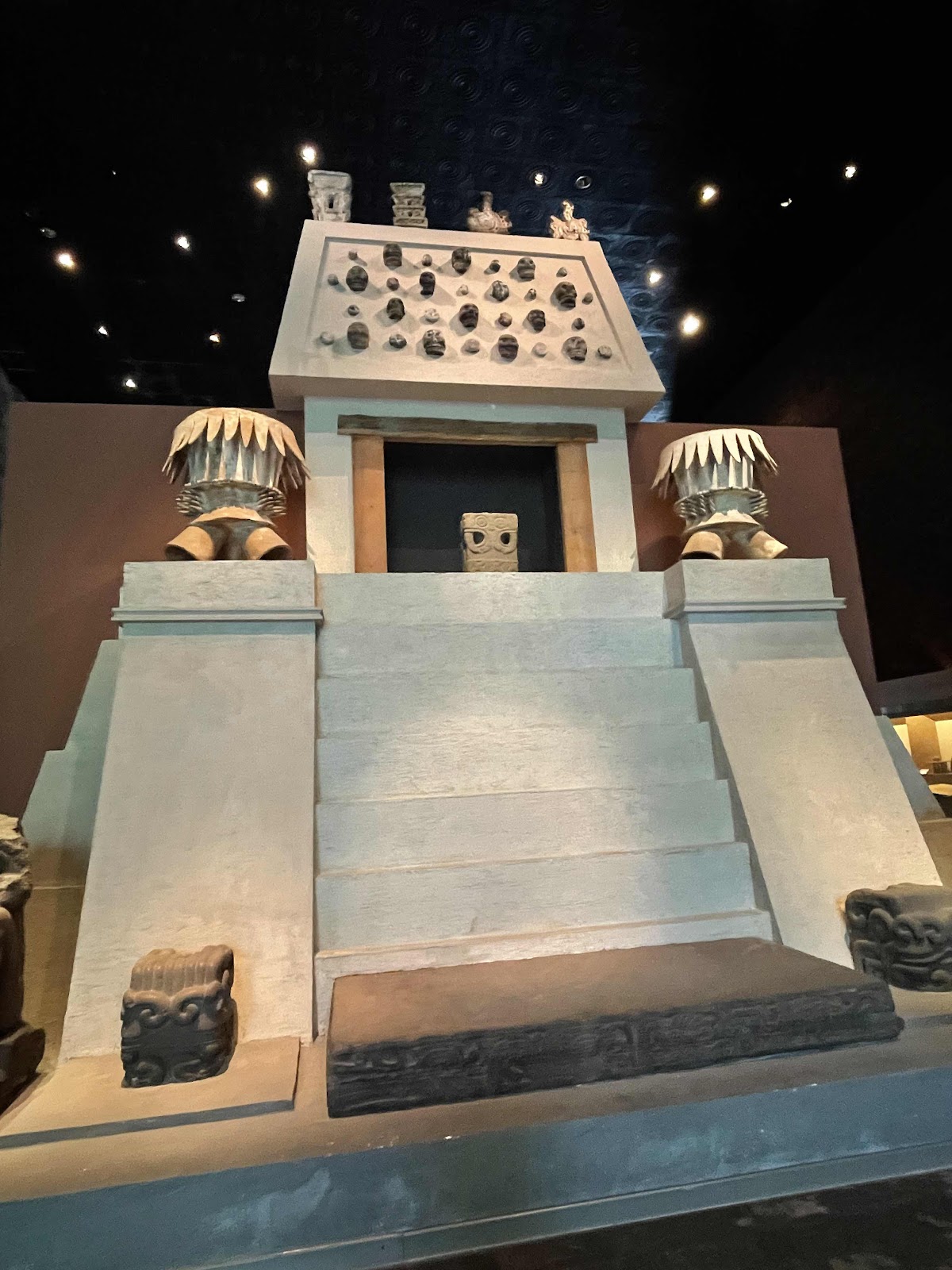

The next area that we explored was the Oaxaca region that focused on the Mixtecs and Zapotecs. We were particularly interested in seeing this area as Andrew’s academic research and dissertation has been on the Mixtec language. There are 3 general regions where Mixtec is spoken, and Andrew did field work in Mixteca Baja, a remote area that takes about 12 hours to travel to by bus from the city of Oaxaca.

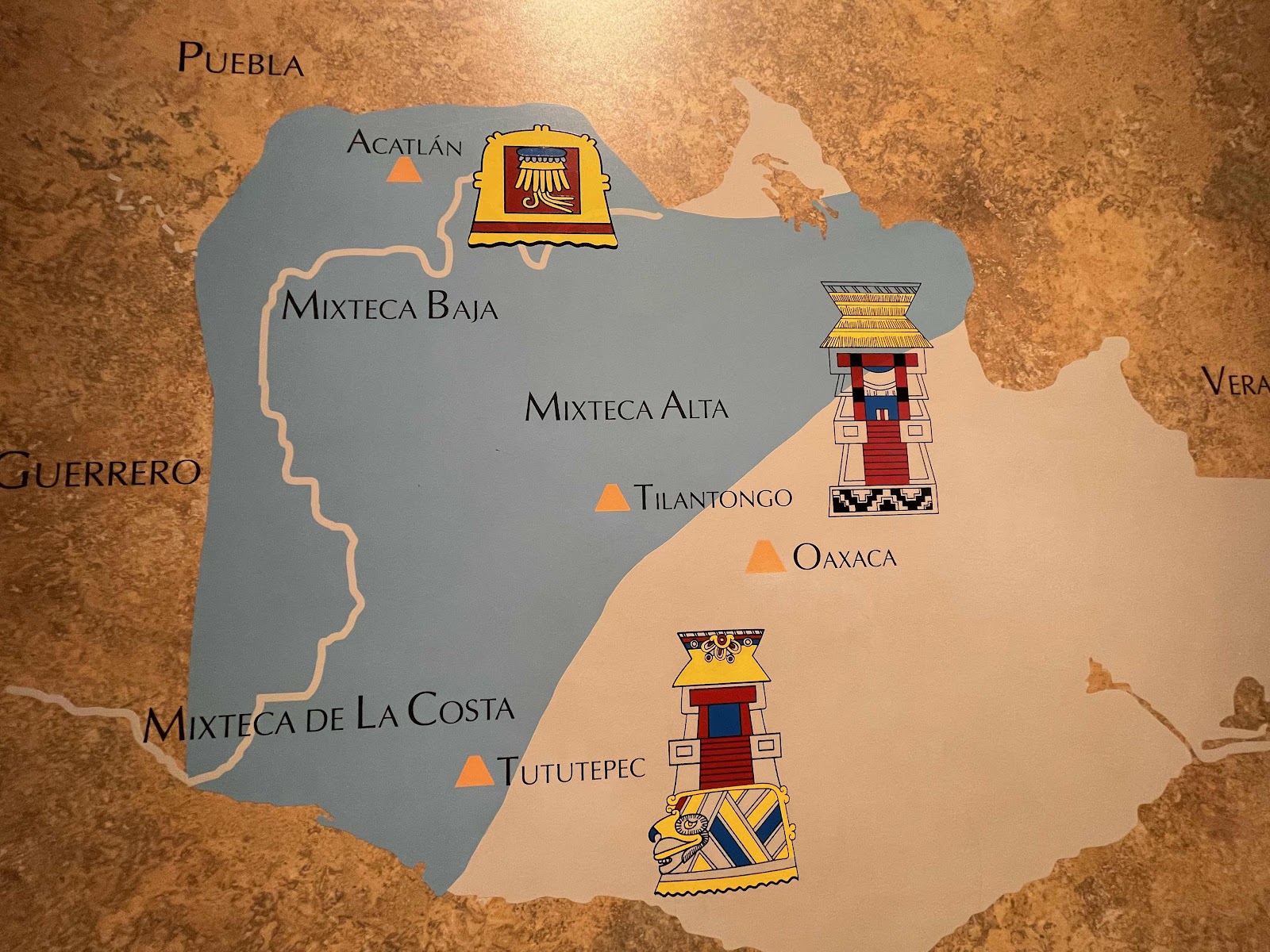
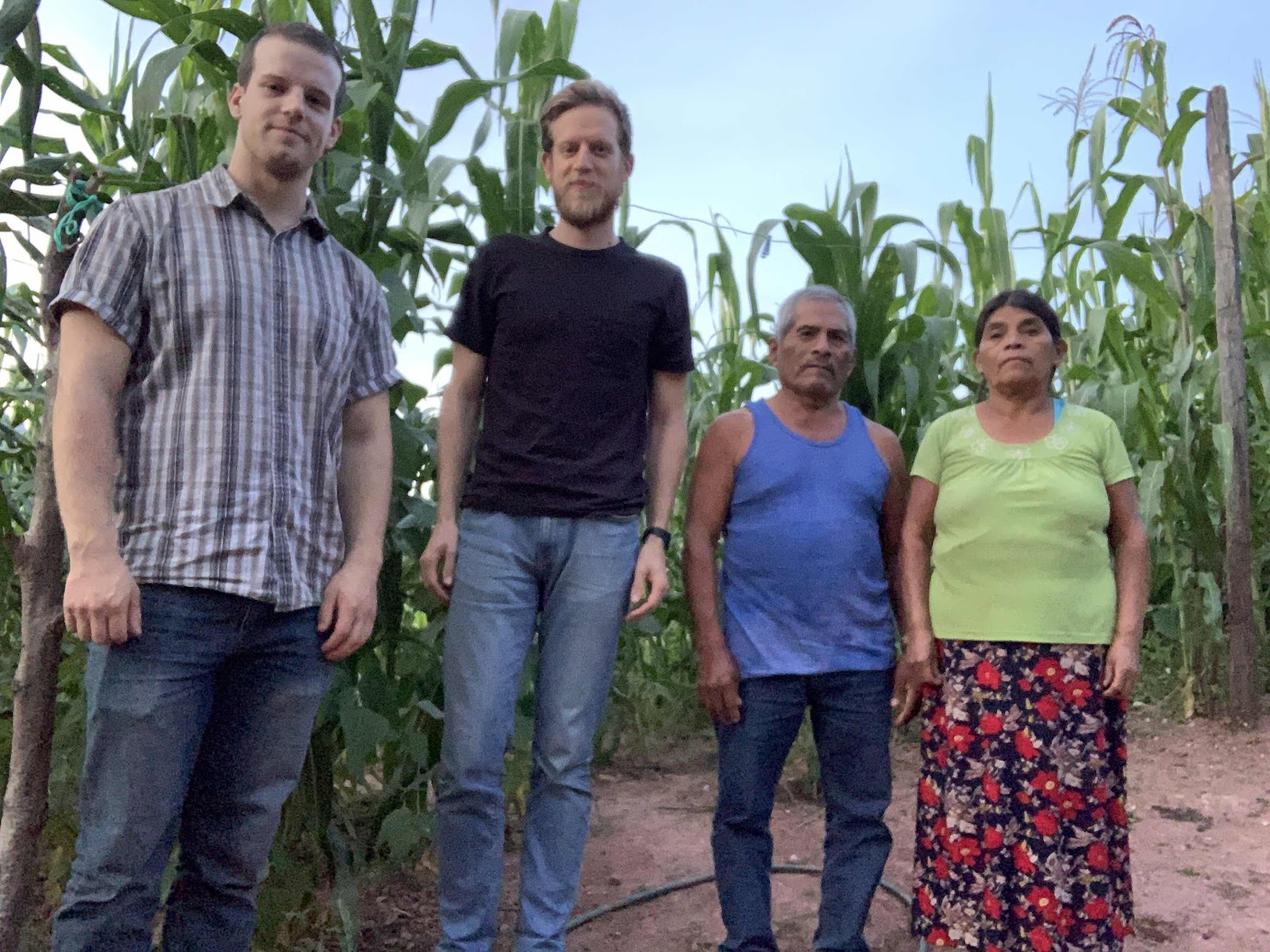
This is Andrew, his colleague Ben, and his Mixtec hosts, while doing field work in September 2019.

The final area of the museum we explored today was the Mayan area.


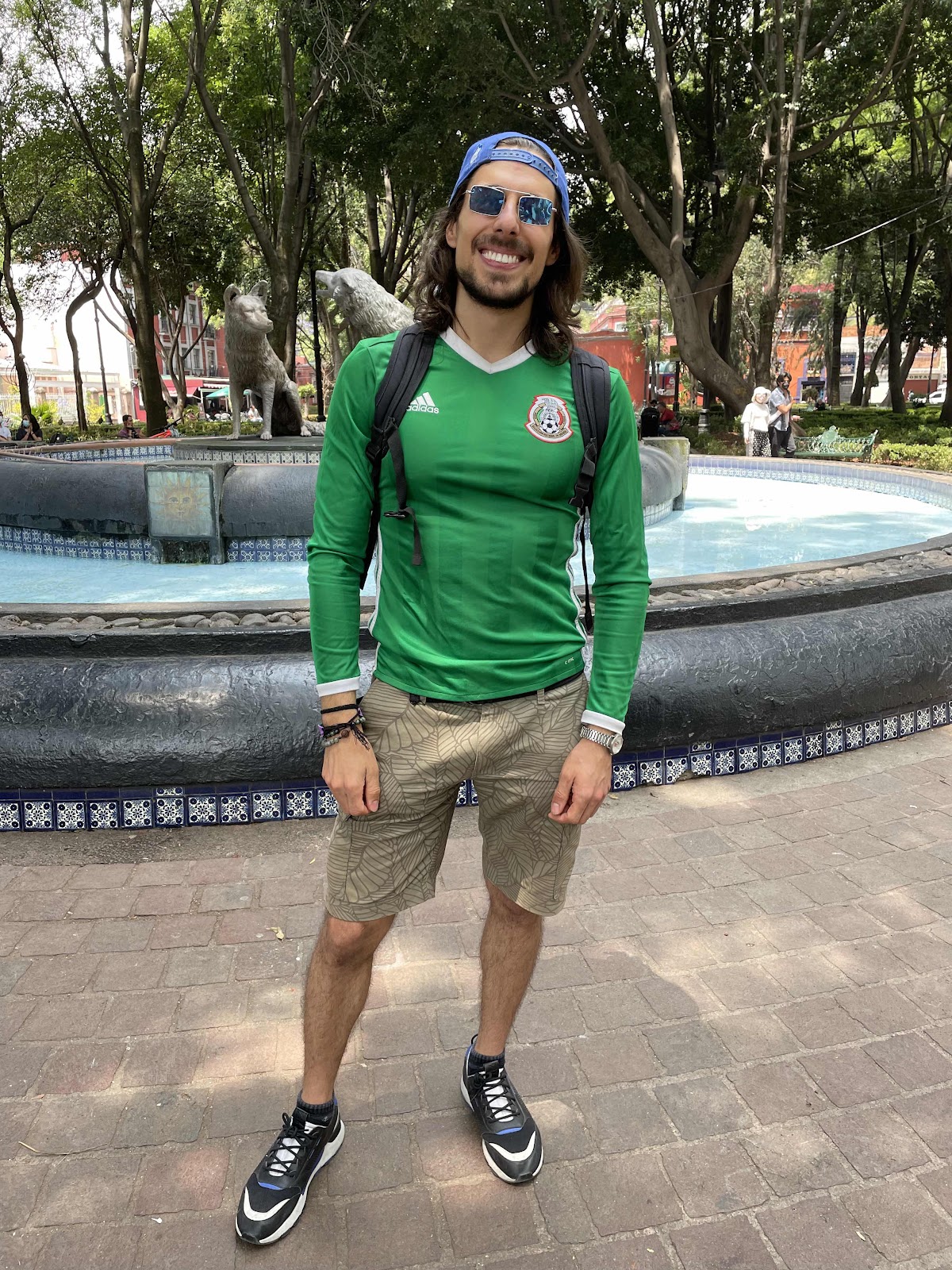
These photos were taken at the museum where there is a large plaza with a fountain.

From there, we went to lunch and had another delicious meal featuring tacos and a variety of salsas.
Just like in the United States, in many restaurants, you access the menu by using your cell phone.

Now back to their apartment to pack up and organize ourselves for our departure tomorrow!
We are leaving Mexico City with a new appreciation of this beautiful city and look forward to our next visit here sometime in the future!

Sounds like you have had a great time! Blessings and safe travels on your way home!
ReplyDelete