
Walking Tour of Coyoacán
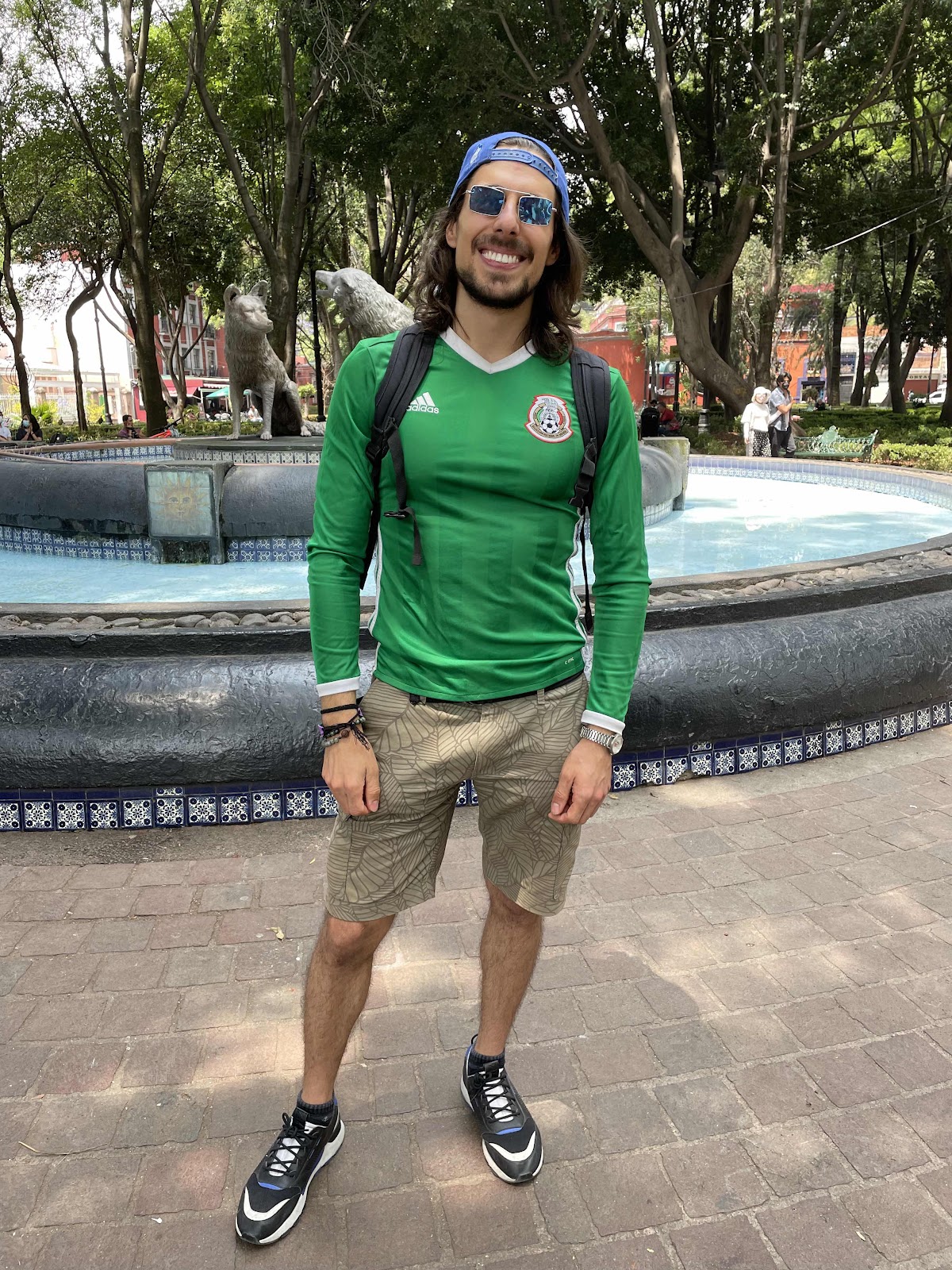
Today, Greg and I went on a walking tour of Coyoacán with Gus - We were the only ones on the tour! We learned a lot as Gus was a very enthusiastic and knowledgeable tour guide.

One focus of the tour was about the history of Coyoacán. In the 12th century, the Tepanecs established a village on the shore of Lake Texcoco in the Valley of Mexico. They named the village Coyoacán, meaning “place of many coyotes.” In 1519, the Tepanecs supported Hernán Cortés against the Aztecs and Cortés launched his attack against Tenochtitlán, the Aztec capital, from Coyoacán. After defeating the Aztecs, Cortés made Coyoacán the capital of New Spain. Gus told us about Porfirio Diaz, the Mexican general and politician who served seven terms (referred to as the Porfiriato) as President of Mexico prior to the Mexican Revolution. During the Porfiriato, urban Mexican elites became more cosmopolitan with their tastes for imported fashion styles and goods being considered an indicator of Mexico’s modernity. For Porfirio Diaz, France was the embodiment of sophistication and he envisioned Coyoacán as a bohemian neighborhood with artists and writers similar to the those surrounding Paris.

By 1521, Cortés had completed his conquest of Tenochtitlán and almost utterly destroyed it. His intention was to build a Spanish colonial city on the site of Tenochtitlán. However, while Mexico City was being constructed, Cortés made Coyoacán the capital of New Spain. This is the Coyoacán Municipal Building where Cortés’ government was from 1521-1523.

You see images of the coyote everywhere in Coyoacán.

Today, the Borough of Coyoacán includes 29 blocks of colonial Coyoacán. Plaza del Centenario (Centennial Square) was established in 1921 to honor the 100th anniversary of Mexican independence.
Today, the Borough of Coyoacán includes 29 blocks of colonial Coyoacán. Plaza del Centenario (Centennial Square) was established in 1921 to honor the 100th anniversary of Mexican independence.

In 1967, the city erected Fuentes de los Coyotes (Fountain of the Coyotes), featuring a bronze sculpture of two coyotes surrounded by jets of water, in the center of Plaza del Centenario. The fountain recognizes both the importance of coyotes to the original occupants of the site and the magical properties some residents of Mexico still ascribe to the animal, whose English and Spanish names derive from its name in Nahuatl.
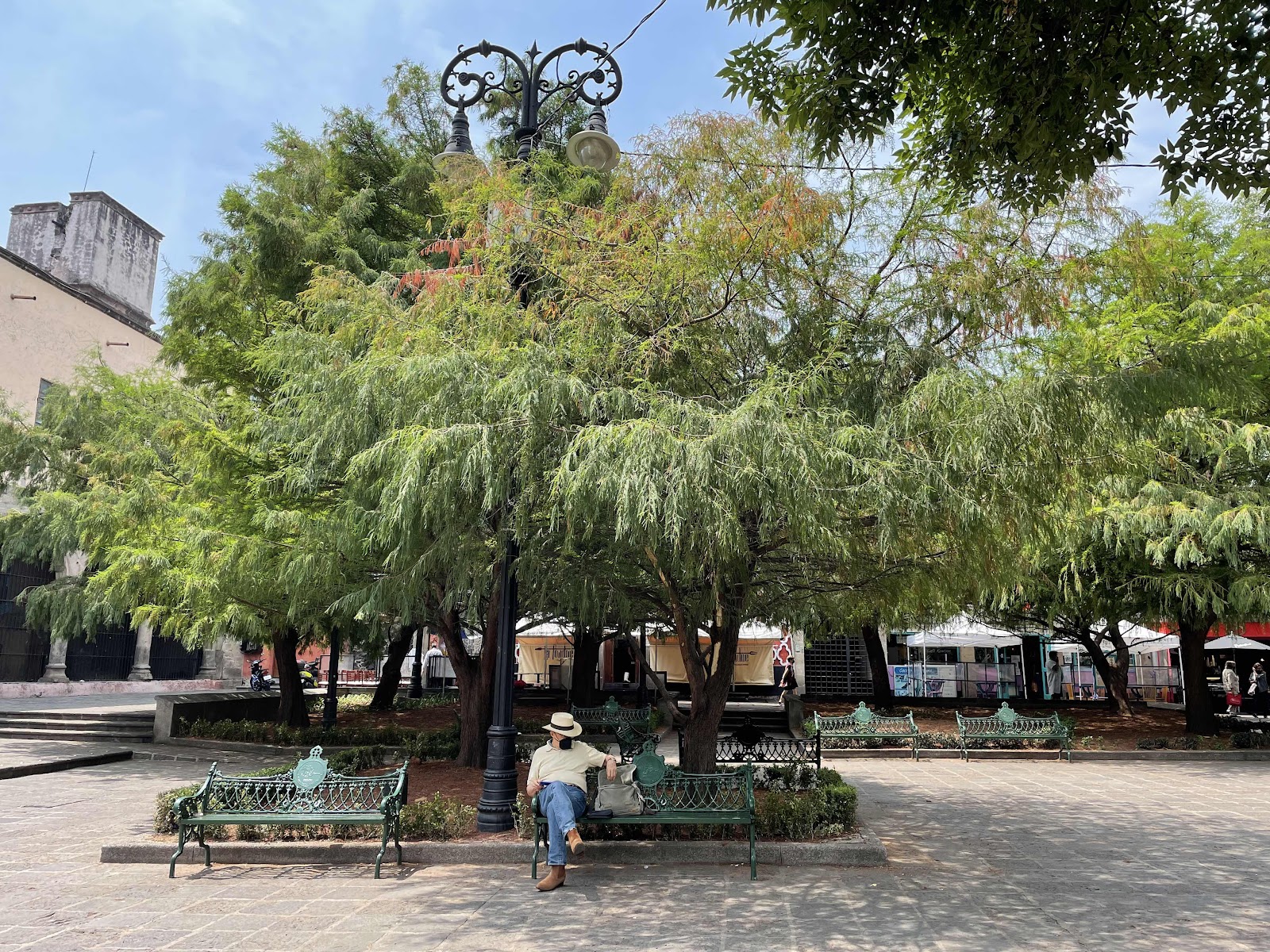
Ancient trees at Plaza del Centenario.
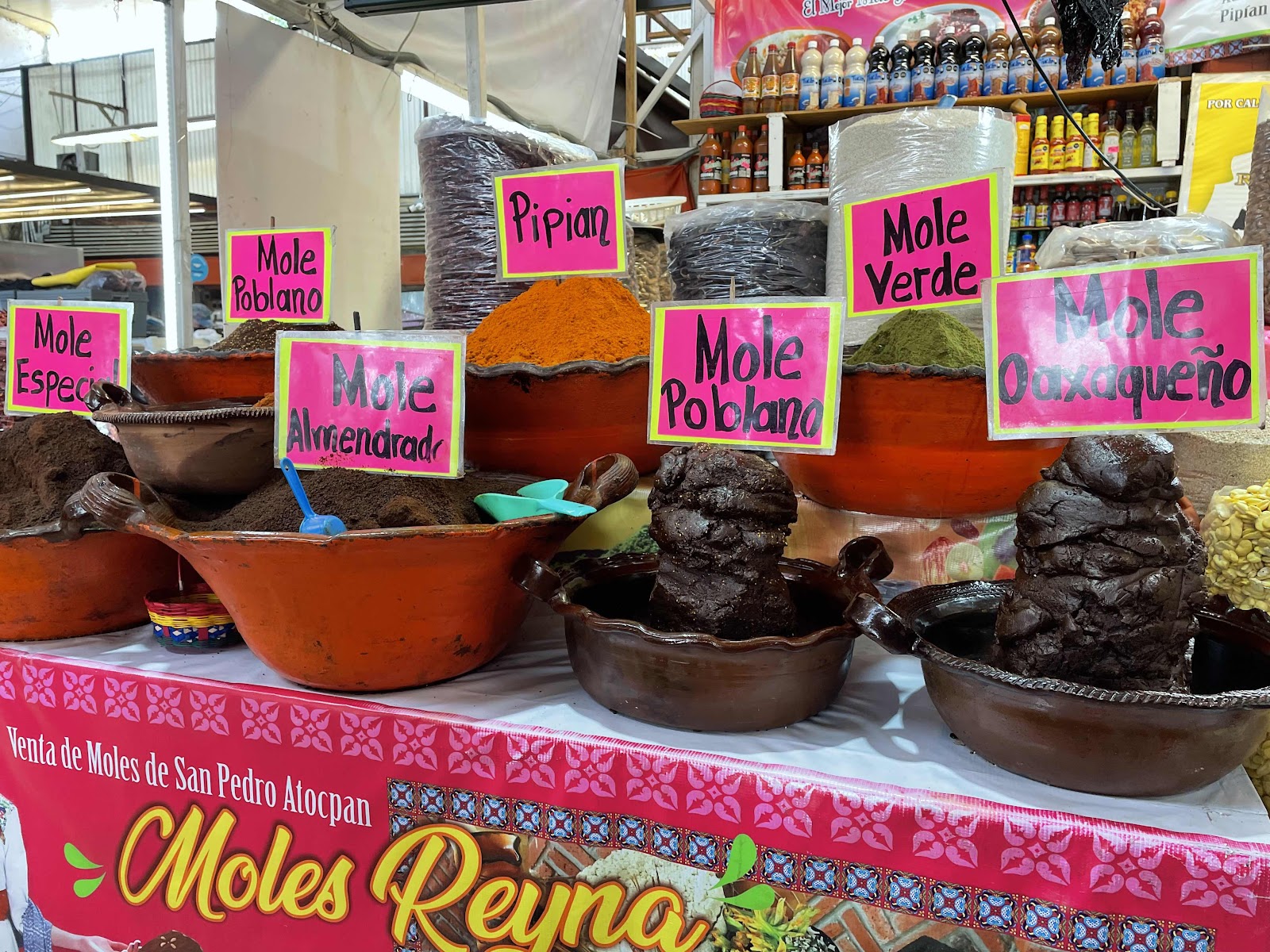

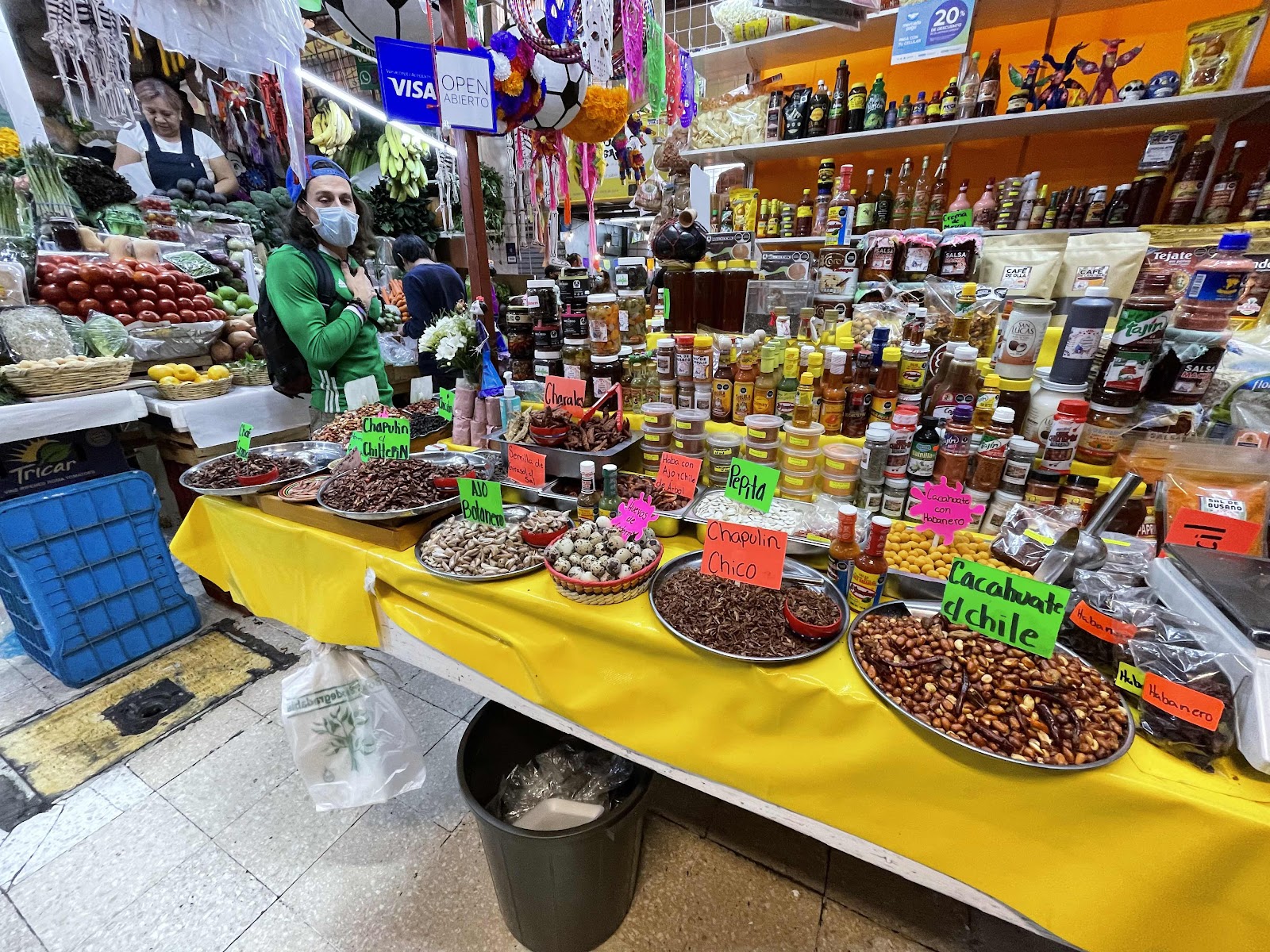
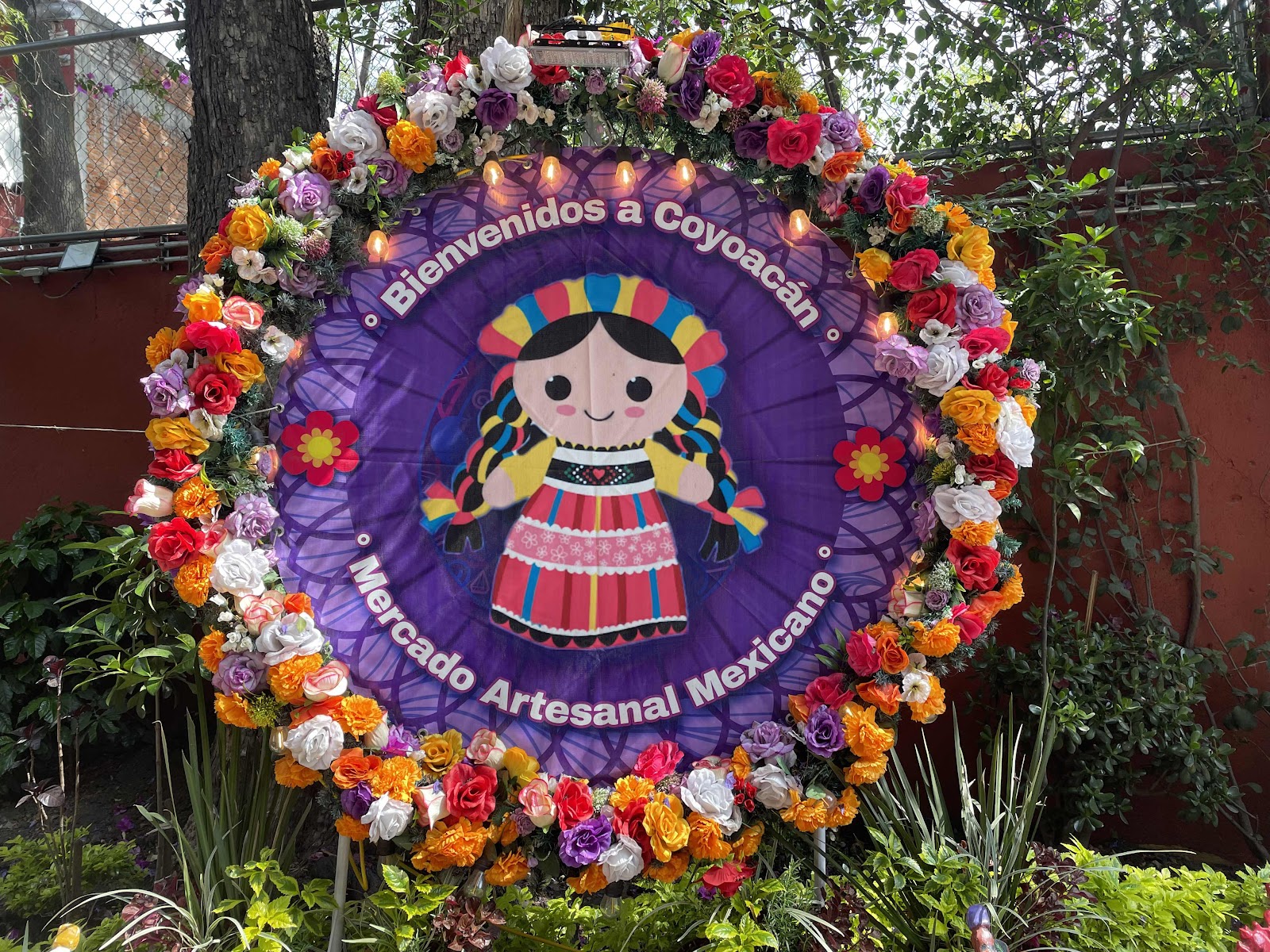
Gus took us through the Mercado Coyoacán filled with food stalls, apparel, art, and souvenirs.

We learned so much and are glad we are staying in the heart of Coyoacán during this trip to Mexico City.

Comments
Post a Comment